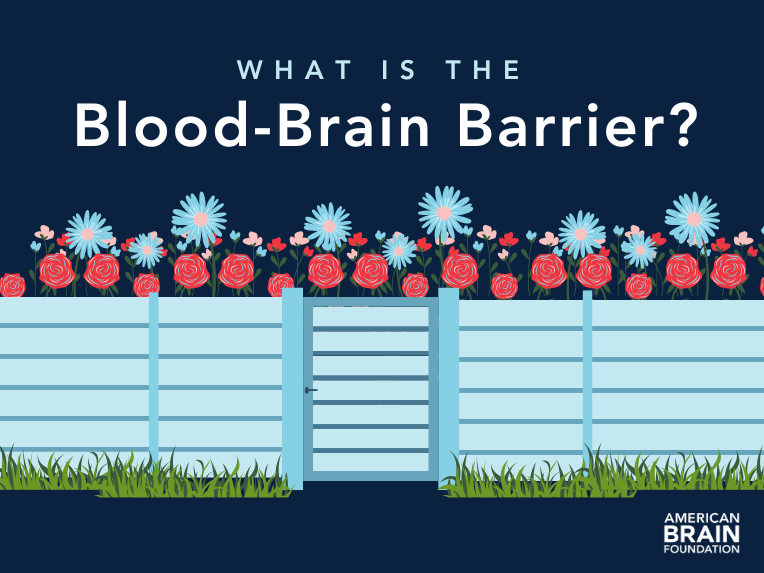
The blood–brain barrier (BBB) is a crucially important defensive structure. Like a wall around a garden it protects the brain from harmful substances in the bloodstream, including most viruses, bacteria, and toxins. This barrier also helps to contain molecules to maintain the brain’s chemical balance.
On a Cellular Level
Inside human blood vessels and lymphatic vessels, there is a layer of cells called the endothelium. The cells that make up this layer are called endothelial cells, and they function to provide a space for blood to interact with tissue, thereby helping to provide a stable state of healthy blood flow throughout the body. In fact, scientists often consider this collective layer inside all blood vessels to be one individual organ, and in that sense, it can be thought of as one of the largest organs in the human body!
Endothelial cells also exist in the blood vessels of the brain, but there they are tightly packed together—so tightly that almost nothing can slip through into the brain tissue. These cells also have a lipid-based outer membrane. Lipids are organic compounds (such as fats and oils) that do not interact with water, so this membrane naturally repels water-soluble substances. The BBB also includes cells called astrocytes and pericytes, which help regulate blood flow and provide structural support, and an underlying membrane of proteins that acts as an additional filter. Together, these components form a barrier that’s 50 to 100 times tighter than the walls of blood vessels elsewhere in the body.
However, the BBB allows essential nutrients and gases like oxygen and carbon dioxide to pass through. In rare cases, molecules are small enough to pass between the cells, or they may be lipid-soluble, meaning they are not repelled by the BBB cell membranes. Alcohol, caffeine, and certain medications can pass through, but in most cases, substances can only cross this barrier with the help of “transportation,” or a workaround using one of a few specific molecular chemical processes.
Risks to the Blood–Brain Barrier
When a person experiences inflammation in a body part, that’s the process of the immune system working to fight off harmful stimuli (like an infection) and repair tissue. The area often feels warm or painful to the touch and appears red and swollen. When this inflammation occurs inside the brain, it’s referred to as neuroinflammation. This natural healing process is activated if the brain is exposed to something harmful that somehow penetrates the BBB, or if a person has brain tissue that needs to be repaired after a physical injury, such as a concussion. Mental functioning, emotions, or alertness can be temporarily affected as the immune system goes to work.
If the immune system cannot easily solve the problem, there is a risk that the neuroinflammation can become chronic, running consistently over long periods of time to try to eliminate a threat and repair damage. If this happens, it can eventually start to damage otherwise healthy cells, including those of the BBB. This weakens the barrier, potentially disrupting the chemical balance and allowing harmful molecules, toxins, or pathogens to pass from the blood into the brain, which triggers further neuroinflammation and further cell damage. This damage can directly lead to more than 600 separate brain diseases, including dementia, Parkinson’s, MS, encephalitis, ALS, and more.
Besides neuroinflammation, several other conditions can potentially disrupt the BBB: brain cancer, encephalitis, meningitis, concussion, traumatic brain injury (TBI), hypercapnia (too much carbon dioxide in the blood), cerebral hypoxia (when the brain doesn’t get enough oxygen), stroke, and seizures, neurogenerative diseases, chronic obstructive pulmonary disease, epilepsy, hypertension, hypoglycemia and type 2 diabetes, and others. Abuse of alcohol and harmful drugs can also cause disruptions to the BBB.
How to Care for Your Blood–Brain Barrier
While most situations that could compromise your BBB are out of your control, when it comes to keeping it in good shape, the best strategy is simply to maintain healthy habits. Because strokes can potentially lead to a disruption of the barrier, it’s wise to take care of your circulatory system by maintaining a healthy weight, following diet and exercise advice from a primary care provider. Make sure to talk to a doctor if you suspect you might have an eye or ear infection, as these can potentially spread and cause inflammation that could damage the BBB. Wear safety equipment such as a helmet in an area where head injuries are common, such as construction sites, and always wear a seatbelt or other safety restraints when operating or riding in a vehicle. Manage chronic health conditions like type 2 diabetes, high blood pressure, high cholesterol, and epilepsy as recommended by your doctor. Naturally, these types of precautions are helpful to practice for general health and wellness.
The American Brain Foundation is committed to finding cures for all brain diseases and disorders. Donate today to make a difference. With your help, we can all experience life without brain disease.